

About>Environmental Sustainability
Environmental Sustainability
Defined as “The ability to maintain an ecological balance in our planet’s natural environment and conserve natural resources to support the wellbeing of current and future generations”.
Active Partners Trust’s Commitment to Environmental Sustainability:
Our Statement:
Together with our partners, we are working to address inequality and empower everyone to be active in a way that works forthem. This shared vision is set out in Making Our Move and guides our approach to the climate emergency, the journey to netzero, and tackling the biodiversity crisis in Derbyshire and Nottinghamshire. Our commitment aligns with Sport England’s EveryMove Strategy and is our contribution to the UN Sustainable Development Goalsprimarily 6, 10, 11,12, 13, 14, 15 and 17.
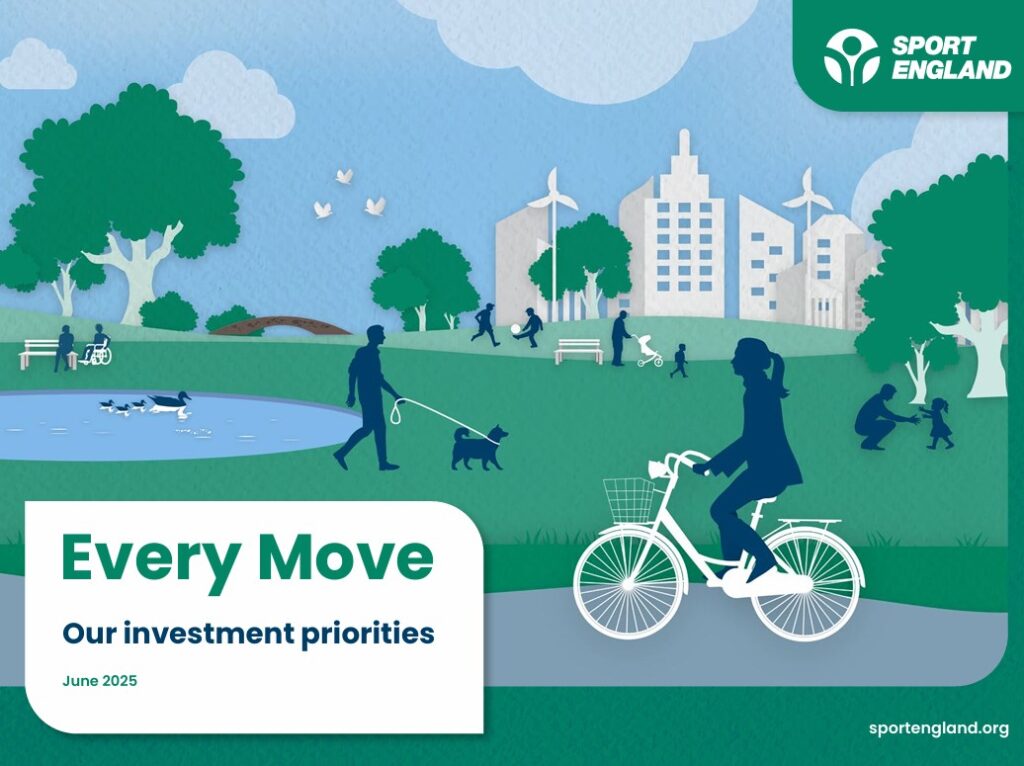
Low-income households, older people, marginalised communities, children, and those with disabilities and long-term healthconditions are the most vulnerable to climate change and extreme weather events. These are the same audiences that alreadyparticipate less in sport and physical activity. This is why environmental sustainability is not an add on to our work, it is how weaim to work, in all we do, to ensure that the people who are most affected are supported to move more and benefit from thepositive opportunities physical activity can bring. This graphic from Sport England’s Every Move Strategy illustrates this well.
As an organisation we will take internal action to improve our ownenvironmental performance, contributing to wider net zero ambitions andstrengthening the resilience of local ecosystems. We will share ourambitions and learning. We will use our collective influence to driveprogress across the system and support our partners to make meaningful,sustainable changes too
We recognise the deep connection between moving more, climate change and environmental sustainability. This connectioncan be really positive. Moving more — particularly outdoors — not only connects us more to nature but can also help reduce ourcarbon footprint by encouraging sustainable travel, reducing energy use, and lessening our dependence on services andproducts to stay healthy.
It can, however, also have a negative impact on the environment and on climate change. We often travel by car to take part;facilities demand resources to build and energy to run; kit and equipment is often disposable, plastic-based, or frequentlyreplaced; and single-use plastic bottles continue to harm ecosystems and contribute to pollution. At the same time, sport andphysical activity are increasingly affected by the escalating climate emergency — through extreme heat, flooding, and morefrequent severe weather events that disrupt participation and damage natural and built environments.
Urgent and decisive action is required. It is essential that, in all our aims and activities, we consider sustainable, low carbon,and biodiversity positive solutions — minimising environmental impact, supporting ecological recovery, and encouragingbehaviours that help protect the planet for current and future generations
Our role is to:
- Take internal action to improve our own environmental performance and to openly share our journey and learning with partners.
- Work to ensure partners understand how they can play their part, have the capability to contribute to the collective vision: torealise a positive and regenerative physical activity sector.
- Use our collective influence to drive progress across the system and to work with people and communities to encourage peopleto move more, enhance biodiversity and reduce emissions.
We will produce an action plan which provides further detail about how this will be delivered and how success will be measured through a combination of metrics and narrative that reflect our organisational approach to reducing our environmental impacts. This will be reviewed in 2028.
Glossary of terms
Biodiversity
The variety of plant and animal life in the world or in a particular place. Biodiversity is essential for planetary and societal health; we rely on it to survive. ‘Biodiversity loss’ is the decline or disappearance of species.
Carbon Footprint
An annual inventory of an organisation’s greenhouse gas(GHG) emissions.
Net Zero
(according to the Science-Based Targets Initiative, Net-Zero Standard) emissions reductions of 90–95%, balancing the residual 5–10% emissions with carbon removals.
Circular Economy
An alternative to our current ‘linear’ materials and waste system(take-waste-dispose). In a circular economy waste is substantially reduced and materials are circulated throughout the economy at their highest value and utility.
Climate Justice
According to Climate Just UK, climate justice relates to concerns about the inequitable outcomes for different people and places associated with vulnerability to climate impacts and the fairness of policy and practice responses to address climate change and its consequences.
Climate Resilience
The ability to anticipate, prepare for, and respond to hazardous events or disturbances related to climate change (e.g. floods, extreme weather).Includes adaptation to climate change, resilience to adverse climate events, and community climate preparedness.
Nature Recovery
The protection and restoration of wildlife-rich habitats. Local Nature Recovery Strategies (LNRS) are anew way of prioritising nature needs on a more local and focused level.
Just Transition
A ‘just transition’ for the sport and physical activity sector means transitioning to a low-carbon economy in a way that’s fair to everyone, and where the benefits are shared widely.
Carbon Neutral
Achieving a balance between the greenhouse gases put into the atmosphere and those taken out.
Regenerative
A regenerative approach goes beyond ‘sustainability’ (doing less bad) to having a net positive impact on the environment and society; approaches that are truly beneficial for humans and restorative for nature.
Carbon Offsets (and insets)
Refers to a reduction in greenhouse gas emissions or an increase in carbon storage (within own supply chain) that is used to compensate for emissions that occur elsewhere.
*As defined by Sport England’s Every Move Sustainability Strategy and Action Plan- May 2024
Active Environments
Environmental Sustainability is closely linked with the Active Environment work that we do.
Active Environments are green, blue and urban (grey) spaces where people can be active. We aim to ensure that these spaces are walkable by being safe, accessible, stimulating and connected to nature.
Resources
There’s so many Environmental Sustainability resources out there. To find more info click below.

Buddle
Learning and support resources to inspire and strengthen clubs and community organisations to be planet-friendly.

Making Our Move
Find a range of resources from accessible, safe and inclusive places and environment to people and communities.

BASIS
Educate, engage and empower sport in the UK to become world-leading in sustainability.

Sport England
Using the Every Move strategy and action plan to enable greater opportunities for all people participating in sport and physical activity.
Latest Environmental Sustainability News
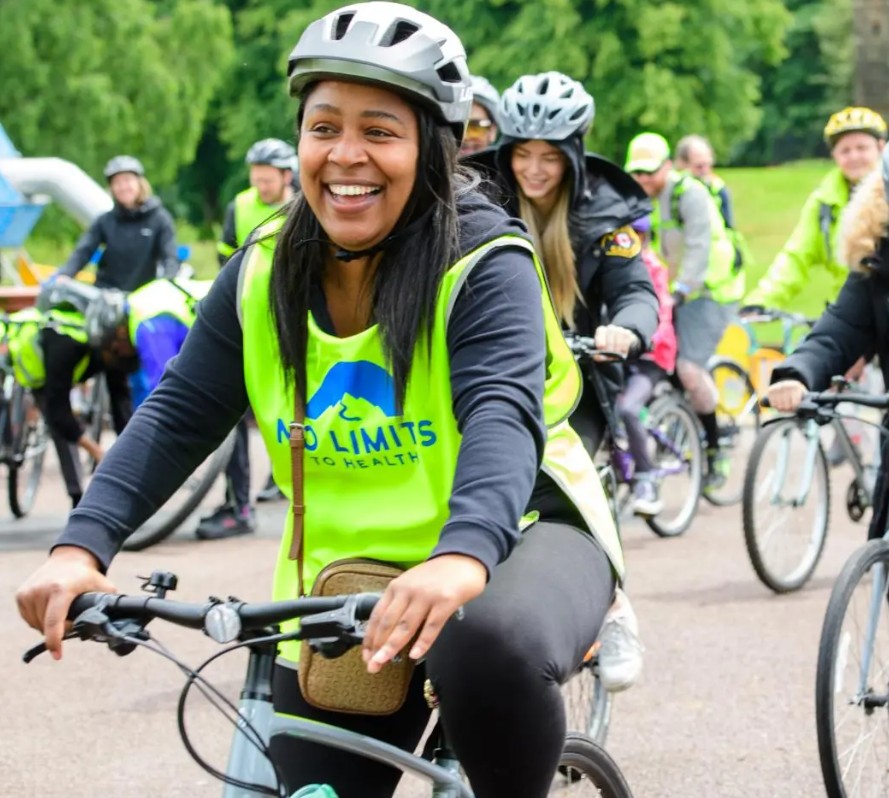
Big Bike Revival Programme – New Summer 2026 Funding Round
Cycling UK is offering voluntary groups and not-for-profit organisations grants to deliver cycling projects aimed…

Notts 1st New Local Nature Recovery Strategy
A collaborative plan to protect, restore, and enhance nature across our county by Nottinghamshire County…

Sport England’s Movement Fund and Environmental Sustainability
On October 21st, Jade Gresham (Strategic Lead) and Edwina Archer (Funding Lead) at Active Notts…

New Environment Fund from the National Lottery Awards for All England
The National Lottery Community Fund is making grants between £300 and £20,000 available to not-for-profit…
Sport England’s Movement Fund & Environmental Sustainability
Sport England is typically investing £20 million a year into their Movement Fund programme. Up…